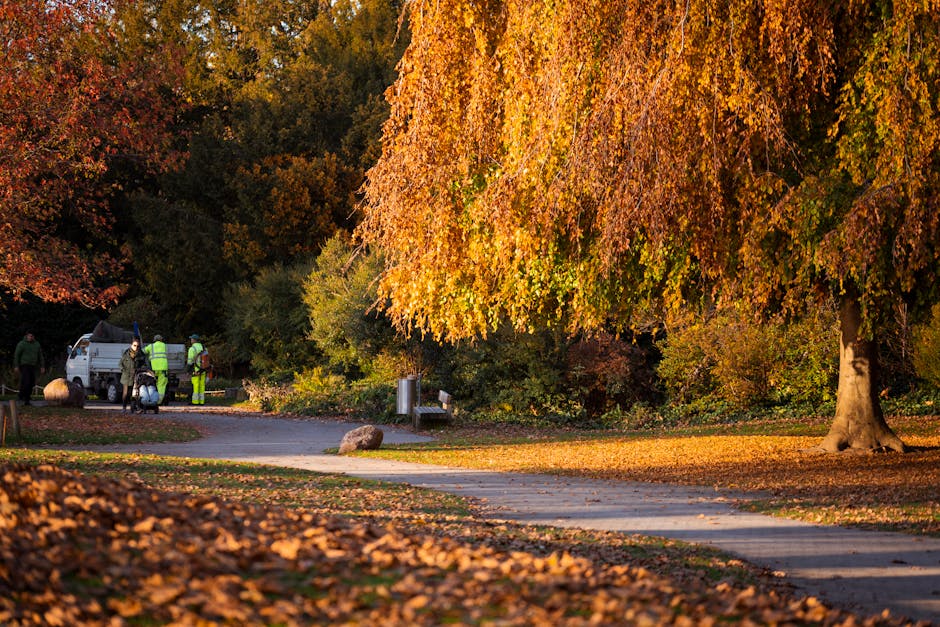
Emergency garden clearance in Uxbridge for blocked access jobs
If a front path is buried, a side access route is blocked, or a garden has simply got away from you after weeks of weather and growth, you need action fast. Emergency garden clearance in Uxbridge for blocked access jobs is about restoring safe, workable access quickly, without turning a stressful situation into a bigger one. That might mean cutting back overgrown hedges, removing tangled bramble, shifting heavy green waste, or clearing debris that's stopping a gate, alley, driveway, or rear entrance from being used properly.
In real life, these jobs tend to arrive at awkward moments: a tenant move-in, a contractor waiting at the door, a recycling crew unable to reach the bin store, or a walkway that's become slick and overgrown after rain. The good news is that a well-planned clearance can be done safely and efficiently. This guide explains how the process works, who needs it, what to expect, and how to avoid the common mistakes that waste time. If you're also comparing broader garden maintenance support, it can help to look at the services overview and the company's background and approach before you book.
Table of Contents
- Why emergency garden clearance matters
- How the clearance process works
- Key benefits and practical advantages
- Who this is for and when it makes sense
- Step-by-step guidance
- Expert tips for better results
- Common mistakes to avoid
- Tools, resources and recommendations
- Law, compliance, standards and best practice
- Options, methods and comparison table
- Case study or real-world example
- Practical checklist
- Conclusion
- Frequently asked questions
Why Emergency garden clearance in Uxbridge for blocked access jobs Matters
Blocked access is more than an inconvenience. It can stop tradespeople getting to the property, make deliveries awkward, prevent bins from being moved, and create a genuine trip hazard. In a busy area like Uxbridge, where gardens can be tucked behind terraces, shared between neighbours, or linked by narrow side passages, access problems often escalate quickly. What starts as a bit of overgrowth can become a proper access issue in a matter of days.
There's also the safety side. Dense growth can hide uneven paving, broken edging, loose wire, rotting timber, dog mess, rubbish, or nesting spots. You don't want somebody forcing their way through with tools in hand. That's how minor jobs become accidents. To be fair, the point of emergency clearance is not just to make things look tidier. It's to restore a route that people can use safely, calmly, and without guesswork.
Another reason this matters is timing. An access problem rarely chooses a convenient moment. It shows up before an inspection, after a storm, or right when you need a garden ready for work to start. A prompt clearance can stop knock-on delays and help keep the rest of the day on track. Small thing, huge difference.
For service standards, safety expectations, and what a professional approach should look like, it can be reassuring to review the company's health and safety policy and insurance and safety information. That's the sort of detail people often skip, then wish they hadn't.
Practical takeaway: emergency garden clearance is not just about cutting back plants. It is about restoring safe access, reducing risk, and getting the property usable again as quickly as possible.
How Emergency garden clearance in Uxbridge for blocked access jobs Works
Every blocked access job is a bit different, but the working method usually follows the same rhythm. First comes a quick assessment of the obstruction: what is blocking access, how tightly it is packed, whether waste needs removing, and whether any hazards are hidden underneath. Then comes the plan. That plan may be very simple, or it may need a few careful stages if the route is narrow, wet, shared, or close to fencing and windows.
In practical terms, a clearance team will usually aim to open the access route first. That means removing the material that is most urgently causing the problem, not spending the first hour making things "perfect". This is emergency work, after all. Once the path is clear, the team can work through the remaining overgrowth, cuttings, and debris more systematically.
Common tasks include:
- Cutting back hedges, brambles, ivy, and long grass
- Removing dumped garden waste or loose rubbish
- Clearing blocked side passages, alleyways, and rear access routes
- Opening up gates, paths, and driveway edges
- Bagging and loading green waste for removal
- Cleaning up the finished area so it is safe to walk through
There is a difference between a quick access opening and a full tidy-up. Sometimes the job needs both, but not always at once. If a contractor is coming in two hours, you may only need the route opened. If you are preparing a property for sale or a tenancy handover, you may want a more complete clearance. That distinction matters because it affects time, cost, and the amount of waste involved. If you need a clearer idea of costs before you commit, the pricing and quotes page is the sensible next stop.
One more thing: a proper service should think about waste handling from the start, not as an afterthought. Green waste, mixed garden rubbish, and anything potentially contaminated need different treatment. Reputable teams usually work with a clear disposal plan, which ties into broader sustainability choices too. You can read more about that on the recycling and sustainability page.
Key Benefits and Practical Advantages
The immediate benefit is obvious: access is restored. But there are several other advantages that are easy to overlook when you're in a hurry.
- Less disruption: work, deliveries, inspections, and household routines can carry on.
- Lower risk of injury: cleared routes reduce slips, trips, and awkward manoeuvring.
- Better property presentation: a neat entrance or side return creates a much better first impression.
- Less pressure on the occupant: you are not left trying to wrestle dense growth with a supermarket trimmer and a bit of hope.
- More efficient follow-up work: once access is open, ongoing maintenance becomes easier and cheaper.
There is also a psychological benefit, if that doesn't sound too grand. A blocked garden access point can make a property feel shut in and neglected. Clearing it quickly changes the whole mood of the space. You can literally hear the difference sometimes: less rustling bramble, less scraping against gates, more room to move. Simple, but real.
For landlords and managing agents, the practical value is even stronger. A clear route means contractors can inspect, repair, or maintain the site without repeated visits. For homeowners, it may simply mean peace of mind before a family event, a move, or a property viewing. Either way, speed and control are the big wins here.
If you are comparing providers, look beyond the headline promise of "fast response" and ask what happens after the first cut. Is waste taken away? Is the work insured? Are there clear terms? A quick look at the terms and conditions and payment and security information can save a lot of back-and-forth later.
Who This Is For and When It Makes Sense
This kind of service is not just for people with wildly overgrown gardens, though they are certainly part of it. It suits anyone who needs an access route opened quickly and safely. That might be a homeowner, a landlord, a letting agent, a facilities manager, or a tradesperson who has arrived to find the back gate buried under growth.
Typical situations include:
- A side alley is blocked by brambles and fallen branches
- A rear garden path is too overgrown for bins to be moved
- Storm damage has pushed debris across a driveway or access gate
- A property needs to be made safe before inspections or repair work
- Rubbish and garden waste have built up after a long period of neglect
- A vacant property needs a quick clear before marketing or handover
It is especially useful where access is tight. Uxbridge has plenty of homes with narrow passages, shared boundaries, and garden layouts that are not exactly generous. In those cases, speed matters, but so does precision. You do not want one problem replaced by another, such as damaged fencing, broken paving, or cuttings left stacked where people still need to pass.
Ask yourself: is this simply untidy, or is it stopping somebody from moving through safely? If the answer is "stopping," then you're probably in emergency clearance territory. If the answer is "nearly stopping," it may still be worth treating it urgently. Truth be told, access issues tend to get worse before they get better.
Step-by-Step Guidance
Here is a straightforward way to think about the process from first call to finished clearance. It keeps things calm, which helps when the situation already feels a bit urgent.
- Describe the blockage clearly. Say what is blocked, how urgent it is, and whether anyone needs access today.
- Share photos if possible. A couple of clear pictures can save time and help the team judge the scale of the job.
- Confirm any constraints. Narrow gates, shared access, parking issues, locked side passages, or nearby utilities all matter.
- Agree the scope. Decide whether you need a quick access opening, a fuller clearance, or both.
- Check waste removal. Make sure you know whether green waste and rubbish will be taken away or left in bags.
- Prepare the area. Move valuables, unlock gates, and keep pets or children away from the work zone.
- Let the team clear safely. The fastest job is still the one done with proper spacing, sharp tools, and care around hidden hazards.
- Review the finish. Walk the access route once it is open and check that it is actually usable, not just "better".
A simple example: if a back passage is blocked by waist-high growth and loose cuttings, the first priority is to reopen the route. A good crew will work from the outside in, create a safe channel, then tidy the remaining material. They won't just hack at the top and call it done. Well, not if they know what they're doing.
If you need to ask questions before booking, use the company's contact page. It is usually quicker to describe an access issue in plain language than to over-explain it. "The side gate is completely blocked" tells a professional a lot more than a polished paragraph ever could.
Expert Tips for Better Results
A few small decisions can make an emergency clearance go much smoother. These are the details that often separate a rushed job from a genuinely useful one.
- Prioritise the route first. Don't ask for decorative tidying before the access problem is solved.
- Be honest about the condition of the site. If there is rubbish mixed in with the garden waste, say so. Nobody enjoys hidden surprises.
- Leave room to work. Even a metre or so of clear space near the gate can speed things up.
- Ask how waste will be managed. You want to know what happens to cuttings, branches, and mixed debris after the job.
- Think ahead to maintenance. Once access is restored, book regular upkeep before the same issue returns.
One practical tip that is often missed: clear the items that are yours before the team arrives. Plant pots, bins, tools, garden furniture, and children's toys can slow the work down if they are mixed into the access line. It sounds obvious, but on a damp Tuesday morning, obvious things have a habit of disappearing.
Another one: if there is a neighbour-sharing boundary, let them know. Not because you need permission for everything, but because a short heads-up can prevent awkwardness, especially where access runs close to another property. That sort of courtesy goes a long way.
Common Mistakes to Avoid
Emergency work creates a temptation to move too fast. Fair enough. But there are a few mistakes that can make the outcome worse or more expensive.
- Waiting until the blockage becomes a hazard. The longer growth is left, the tougher and more expensive it usually gets.
- Assuming every clearance is the same. A light trim is not the same as a blocked-access rescue job.
- Not mentioning hidden waste. Old fencing, rubble, wire, and broken garden items can change the approach immediately.
- Using the wrong tools at the wrong time. Hedge trimmers, loppers, saws, and hand tools each have their place.
- Forgetting waste disposal. You can clear a passage and still end up with a pile that blocks it again.
- Skipping insurance and safety checks. If the work is urgent, that is exactly when proper cover matters most.
There is also a human mistake, which is easy to recognise. People sometimes expect the whole garden to be transformed in one emergency visit. Sometimes that happens, sometimes not. If the access route is the critical issue, prioritise that first and sort the cosmetic stuff later. Better a safe, usable passage than a half-finished "perfect" garden.
For peace of mind, check the provider's insurance and safety information and, if you value responsible disposal, their recycling approach. Those pages tell you a lot about the way a business thinks, even before you speak to anyone.
Tools, Resources and Recommendations
The right tools depend on the blockage, but emergency clearance usually needs a mix of cutting, lifting, collecting, and transporting equipment. The aim is simple: open the route without damaging the property or putting anyone at unnecessary risk.
| Tool or resource | Best use | Why it matters |
|---|---|---|
| Hedge trimmer | Fast cutting of long, manageable growth | Useful for opening up access quickly |
| Loppers and secateurs | Thicker stems, brambles, detailed cutting | More control in tight spaces |
| Hand saw | Small branches and stubborn woody growth | Better where power tools would be awkward |
| Heavy-duty bags and load space | Collection and removal of green waste | Stops the access route being blocked again |
| Gloves, eye protection, boots | Basic site safety | Important where hidden debris or sharp material is present |
Useful non-physical resources include clear photographs, access instructions, and a simple written note about the problem. If the job is time-sensitive, that information helps the team decide what to bring and how to approach the site. It sounds minor. It's not.
You may also find it helpful to review how quoting works before an urgent visit. The pricing and quotes page can help you understand what information is needed for a sensible estimate. If the work needs to be scheduled quickly, clear details usually mean a cleaner quote and fewer surprises.
Law, Compliance, Standards and Best Practice
Emergency garden clearance is not usually the sort of job that needs heavy legal explanation on a page like this, but there are still important standards and duties to keep in mind. In the UK, work should be carried out with proper regard for health and safety, safe use of tools, appropriate waste handling, and respect for neighbouring property. That is the basic professional standard, and it should never feel optional.
If a route is blocked near a shared boundary, pathway, or access point used by others, the work needs to be planned carefully. Noise, flying debris, sharp cut vegetation, and the movement of waste all need controlling. Good practice means checking the site before cutting, looking for hidden hazards, and making sure waste is removed or secured so it doesn't simply move from one problem to another.
For customers, the most practical compliance checks are straightforward:
- Ask whether the work is insured
- Ask how safety is handled on site
- Confirm how green waste will be removed or recycled
- Review the written terms before agreeing to urgent work
- Make sure the payment method is clear and secure
Some readers also want reassurance that the business operates transparently. That's fair. A look at terms and conditions, payment and security, and the general about us page helps you judge whether the service feels organised and accountable.
If you are a landlord, agent, or occupier dealing with access for contractors, the best practice is to keep the route open once it is cleared. One-off emergency work solves today's problem; a maintenance plan prevents the same headache next month. That's the bit people often forget. Then winter comes, and suddenly the hedge has opinions again.
Options, Methods and Comparison Table
Not every blocked-access situation needs the same response. Sometimes a quick cut-back is enough. Sometimes you need a fuller clearance with waste removal. Sometimes a regular maintenance visit is actually the best long-term answer.
| Option | Best for | Pros | Limitations |
|---|---|---|---|
| Rapid access opening | Urgent blocked paths, gates, side returns | Fastest way to restore movement | May not fully tidy the whole area |
| Full garden clearance | Heavy overgrowth, mixed waste, neglected gardens | More complete reset of the space | Usually takes longer and can cost more |
| Targeted cut-back only | Small but troublesome overgrowth | Good for budget-conscious fixes | Not suitable for major access blockages |
| Ongoing maintenance plan | Properties that keep recurring access issues | Prevents repeat problems | Not a same-day emergency fix |
In practice, the right choice depends on urgency and the state of the site. If somebody needs in today, the rapid opening is usually the priority. If the property is being handed over, marketed, or prepared for wider work, a full clearance may be better value overall. And if the same patch keeps getting out of hand every few weeks, maintenance is the grown-up answer, even if it's not the most exciting one.
Case Study or Real-World Example
A practical example: imagine a semi-detached property in Uxbridge with a narrow side access to the rear garden. After several wet weeks, brambles have curled across the passage, a broken branch has dropped into the route, and old cuttings from earlier pruning are mixed in with general garden debris. A contractor is due the next morning to inspect a rear fence panel, but the access route is effectively unusable.
The emergency clearance starts with opening the line of access first. The brambles are cut back in stages, the branch is removed, and the loose debris is bagged as the team works. Once the route is safe to walk through, the rest of the overgrowth is reduced and the space is tidied enough for the contractor to pass without issue. It is not a dramatic transformation. It is more useful than that.
The main lesson? The customer didn't need a perfect garden that day. They needed the route opened cleanly, safely, and in time. That's the job. A good clearance service understands that distinction and acts accordingly, which is why calm communication at the start makes such a difference.
Practical Checklist
Use this quick checklist before booking or on the day of the work:
- Confirm exactly which access point is blocked
- Take clear photos of the area if you can
- Tell the contractor about hidden waste, branches, or rubbish
- Check whether gates, locks, or side entries need to be unlocked
- Move personal items, pots, bins, and tools out of the way
- Ask whether waste removal is included
- Check the provider's insurance and safety details
- Review pricing, timing, and payment arrangements
- Let neighbours know if shared access might be affected
- Walk the route after the clearance and make sure it is truly usable
A small bit of prep can save a surprisingly large amount of time. And on an urgent job, time is usually the thing everyone is short of.
Conclusion
Emergency garden clearance in Uxbridge for blocked access jobs is really about restoring control. It gets people moving again, reduces risk, and stops a small access issue from turning into a bigger property problem. The best results come from clear communication, sensible prioritisation, proper safety, and a cleanup approach that matches the urgency of the job.
If you remember only one thing, let it be this: the quickest solution is not the one that looks rushed. It is the one that opens the route safely, removes the mess properly, and leaves you with a space that works again. That's what matters when you need help fast.
Get a free quote today and see how much you can save.
Frequently Asked Questions
What counts as an emergency garden clearance job?
An emergency job is usually any clearance where access is blocked or becoming unsafe right now, not just generally untidy. That can include overgrown side passages, blocked gates, fallen branches, or garden waste stopping movement through the property.
Can blocked access be cleared on the same day?
Sometimes, yes. It depends on the size of the blockage, the access available, and how much waste needs to be removed. A clear description and a few photos help a provider judge whether same-day work is realistic.
What information should I give when asking for help?
Tell the provider what is blocked, how urgent it is, whether access is shared, and whether there is mixed waste or only green growth. Mention tight gates, parking restrictions, or anything else that might affect the job.
Is emergency garden clearance just for very overgrown gardens?
No. It can also apply to smaller but urgent problems, like a path blocked by storm debris, a gate stuck behind hedge growth, or a rear access route needed for contractors.
Will the team take away the waste?
Usually that depends on the service agreed in advance. Some jobs include waste removal, while others may only clear the access route. It is best to confirm this before work begins so there are no surprises.
How do I know if I need a quick cut-back or a full clearance?
If the main issue is simply opening the route, a quick cut-back may be enough. If the garden is heavily neglected or mixed with rubbish, a fuller clearance is usually the better option. The difference is practical, not just cosmetic.
Is this kind of work safe around narrow side passages?
It can be, provided the job is planned properly and the team uses suitable tools, protective equipment, and careful working methods. Narrow routes need extra attention because hidden hazards are often harder to spot.
What if there are hidden items under the overgrowth?
That happens quite often. Broken pots, wire, rubble, and forgotten garden furniture can turn up once the work starts. A good team will adjust the approach as soon as hidden material is found.
How much does emergency garden clearance cost?
Costs vary depending on urgency, size, waste volume, and access difficulty. The most useful next step is to request a quote with clear details, which helps produce a realistic estimate rather than a vague guess.
Do I need to be at the property during the clearance?
Not always, but it helps if someone can confirm access, answer questions, and check the finished work. If you cannot be there, make sure the provider has clear instructions and a way to contact you.
What should I do after the access has been cleared?
Try to keep the route open with light maintenance, especially after wet weather or during fast-growing months. A little upkeep now and then prevents the same blockage from returning, which is easier on everyone.
How can I make sure the company is trustworthy?
Look for clear information on insurance, safety, payment, and terms. A transparent business should also explain how waste is handled and provide a straightforward way to ask questions before booking.
Where can I find more details before I book?
You can review the company's services overview, check the pricing and quotes page, and contact the team through the contact page if you need a prompt response.
And if you're still weighing things up, that's perfectly normal. A blocked access job feels urgent, but the best decision is still the one that gets the route open safely and leaves you breathing easier afterwards.