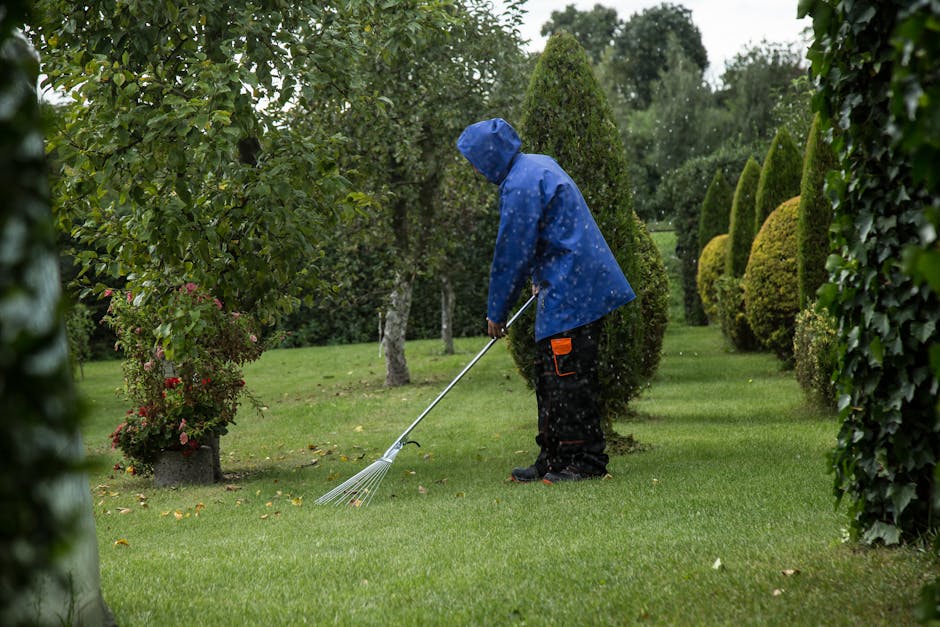
Avoid hidden garden maintenance charges in Hillingdon Council area
If you have ever looked at a garden maintenance invoice and thought, "hang on, where did that extra charge come from?", you are not alone. In the Hillingdon Council area, homeowners, landlords, managing agents, and businesses often want straightforward garden care without the awkward surprise of add-ons appearing later. The real challenge is not just finding someone to cut the grass or tidy the borders. It is making sure the price you agree is the price you actually pay.
This guide explains how to avoid hidden garden maintenance charges in Hillingdon Council area with confidence. We will look at what usually causes unexpected costs, how to compare quotes properly, what should be included, and how to spot the little wording tricks that can turn a fair-looking price into a frustrating bill. Truth be told, most hidden charges are avoidable if you know what to ask before the work starts.
Whether you need a one-off tidy-up after a long wet spell, regular lawn care through the growing season, or support for a rental property, the goal is the same: clear expectations, tidy work, no drama. That sounds simple. Sometimes it isn't. But it can be.
Table of Contents
- Why this matters in Hillingdon
- How hidden garden maintenance charges happen
- Key benefits of clear pricing
- Who this is for
- Step-by-step guidance
- Expert tips for better results
- Common mistakes to avoid
- Tools, resources and recommendations
- Law, compliance and best practice
- Options and comparison table
- Case study example
- Practical checklist
- Conclusion
- Frequently asked questions
Why Avoid hidden garden maintenance charges in Hillingdon Council area Matters
Garden maintenance looks straightforward from the outside. Mow the lawn, trim the hedges, clear the weeds, maybe take away a bag or two of green waste. But in practice, the final bill can creep up if the quote is vague or the provider has not spelled out what is included. In a busy borough like Hillingdon, where properties range from compact front gardens to larger shared outdoor spaces, those small assumptions can become expensive very quickly.
It matters for a few simple reasons. First, unexpected costs make it harder to budget. Second, they create tension between customer and contractor, which is awkward for everyone. Third, they often signal a service that has not been properly scoped. And let's face it, most people do not enjoy discovering a "site condition" charge after the work is already done.
There is also a local angle. In Hillingdon, gardens can be affected by shaded boundaries, mature trees, clay soil in some spots, narrow access, and the ordinary chaos of London weather. A provider who understands those conditions is useful. A provider who understands how to quote for them clearly is even better.
If you want to compare broader service standards while planning outdoor work, it can also help to look at related guidance such as garden maintenance services, lawn care and treatment options, and hedge trimming support. These pages are helpful when you want to understand what a fair service package typically includes.
How Avoid hidden garden maintenance charges in Hillingdon Council area Works
The phrase itself is really about process. You are not buying a mystery. You are buying a service with clear scope, clear frequency, and clear exclusions. Hidden charges usually appear when one of those parts is left vague.
Here is how it commonly happens:
- The scope is too loose. A quote says "garden tidy-up" but does not say whether hedge cuttings, weed removal, edging, or bagging waste are included.
- Access was not checked properly. Narrow side access, locked gates, or long carrying distances can change labour time.
- Waste disposal was assumed, not confirmed. Green waste removal can be included, charged separately, or limited by volume.
- Overgrowth was not visible at quote stage. A garden that looked manageable from photos may need extra cutting, clearance, or multiple visits.
- Ad hoc extras are added mid-job. That can be fair if you agree to it, but not if you only hear about it afterwards.
The clean way to avoid this is to treat every quote like a small specification document. What exactly is included? What is not? What happens if the work takes longer? Is waste disposal covered? Are there minimum call-out charges? Will parking, access, or loading time ever affect the bill?
Those are not fussy questions. They are the right questions.
For property owners managing recurring work, the service model matters too. Regular visits often reduce uncertainty because the contractor can predict the condition of the garden more accurately. One-off jobs, by contrast, need tighter scoping. If you are weighing those options, the information on regular garden maintenance plans and garden clearance may help you decide which route is more cost-controlled.
Key Benefits and Practical Advantages
When you manage garden care properly, the benefit is not just saving a bit of money. It is control. You know what is happening, when it is happening, and why the invoice looks the way it does.
Some of the clearest advantages are:
- Better budgeting: predictable monthly or seasonal spend.
- Fewer disputes: less back-and-forth over "extra" work.
- Improved value: you can compare providers on the same basis.
- Cleaner results: the team can work to a proper brief instead of guessing.
- Less stress: no surprise invoice landing after a rainy Monday morning.
There is a practical side people sometimes miss. Clear pricing often leads to better maintenance outcomes because the contractor can plan the work properly. For example, if waste removal is agreed in advance, there is no hesitation about cutting back a hedge properly instead of leaving half the clippings on site. That sort of thing sounds small. It rarely is.
Expert summary: If you want to avoid hidden charges, do not start with the cheapest headline price. Start with the clearest scope. A transparent quote is usually more valuable than a low number with lots of asterisks.
Who This Is For and When It Makes Sense
This approach is useful for anyone who pays for garden upkeep in or around Hillingdon, but some groups feel the benefit more than others.
Homeowners
If you have a busy family life, a garden can slip behind quickly. A neat quote helps you avoid paying extra every time the lawn gets a little longer than expected. That is especially true in spring and early summer, when growth seems to happen overnight.
Landlords and letting agents
For rental properties, reliable outdoor presentation matters. A scruffy front garden can create a bad first impression before the tenant has even opened the door. Clear pricing helps keep maintenance costs predictable across multiple properties.
Managing agents and block committees
Communal gardens bring a different problem: shared expectations. If the quote does not define grass cutting frequency, border tidying, waste removal, or seasonal tasks, someone will end up arguing over the bill. Usually in a meeting. Usually a long one.
Small businesses and commercial sites
Frontages, entrances, and small landscaped spaces often need regular care without constant supervision. A fixed schedule and clear inclusions protect your budget and keep the site looking cared for.
Anyone dealing with an overgrown or neglected garden
These jobs are the classic trap. The garden looks "just a bit untidy" until the contractor gets started and finds brambles, thick weeds, or hidden debris. If you have a property that has been left for a while, be especially careful with scope and waste assumptions.
Sometimes a one-off visit is enough. Sometimes you need a reset followed by regular upkeep. If you are not sure, it is sensible to ask for both options and compare them side by side.
Step-by-Step Guidance
Here is a practical way to keep control of garden maintenance costs from the start.
- List exactly what you need. Be specific: mowing, edging, hedge trimming, weeding, leaf clearance, pressure washing, waste removal, or all of the above.
- Take photos from a few angles. Good photos reduce misunderstanding. Stand at the boundary, the back door, and the furthest corner if possible.
- Ask what is included in the price. Do not assume waste removal, fuel, parking, or heavy cutting is covered.
- Ask what counts as an extra. A stump, large shrub, dense overgrowth, or contaminated waste may be treated differently.
- Request a written quote. A short written breakdown is worth far more than a vague verbal estimate.
- Check visit frequency. A weekly, fortnightly, or monthly schedule can change labour time and overall cost.
- Confirm access and timing. Will someone need to let the team in? Is there space for tools, a van, or waste loading?
- Agree how changes will be handled. If extra work is needed, ask for approval before it starts.
One useful habit is to ask, "If the garden turns out to be heavier than expected, how will you tell me?" That simple question often separates a transparent contractor from one who likes surprise maths. Not a great hobby, frankly.
For larger or recurring jobs, it can help to compare a full maintenance package with a lighter visit-based service. Pages like seasonal garden tidy-ups and green waste removal support can give you a clearer idea of what to expect from each option.
Expert Tips for Better Results
After enough garden visits, a few patterns become obvious. The cheapest quote is not always the best value, and the smoothest jobs are the ones where both sides knew the plan before the first cut was made.
Here are a few tips that genuinely help:
- Use photos plus a short written brief. It sounds basic, but it removes a lot of guesswork.
- Ask for itemised pricing where possible. Mowing, hedge cutting, clearance, and waste should not all vanish into one unclear line.
- Watch for "from" pricing. A quote that begins with "from ?..." may be fine, but only if the conditions that change the price are clearly listed.
- Confirm whether VAT applies. Some providers quote excluding VAT, some include it. The difference matters.
- Schedule regular maintenance if your garden grows quickly. It is easier to keep on top of growth than to rescue it later.
- Keep a record of agreed scope. A simple email trail can save a lot of trouble later.
There is also a people point here. The best contractors are usually the ones happy to explain their quote without sounding defensive. If someone gets irritated by reasonable questions, that tells you something. Quietly, but clearly.
In our experience, asking about waste and access early is one of the most effective ways to avoid awkward add-ons. It is not glamorous. It is just sensible.
Common Mistakes to Avoid
Most problems come from a few repeat mistakes. If you avoid these, you are already ahead of the game.
- Accepting a quote that is too vague. "General garden work" is not enough.
- Forgetting to mention overgrowth. Tall grass, thick ivy, brambles, and hidden debris change the job.
- Assuming waste disposal is included. This is one of the most common sources of frustration.
- Not checking minimum charges. Some providers have a minimum call-out that affects smaller jobs.
- Comparing quotes that are not actually comparable. One may include hedge trimming and green waste, while another does not.
- Leaving access issues unmentioned. Locked gates, permit parking, and long carry distances can all affect cost.
Another common mistake is focusing only on the visible part of the garden. A neat lawn does not mean the job is simple. The contractor may still have to deal with edging, moss, debris, or old clippings near a fence line. The unseen bits matter.
And yes, sometimes people forget to ask one simple thing: "What happens if the job takes less time than expected?" That is worth asking too. Fairness works in both directions.
Tools, Resources and Recommendations
You do not need specialist equipment to avoid hidden charges. You just need a better information trail before work begins.
Useful tools for the customer side
- Phone photos and short videos to document the garden's current condition.
- A simple checklist of tasks you want completed.
- Email or message records so the agreed scope is easy to review.
- A rough site plan or boundary note if access is awkward.
Useful resources and service pages
If you are building a maintenance plan, it can help to read related service information before you book. The following pages are useful starting points: garden maintenance support, hedge trimming services, lawn care guidance, garden clearance help, and recurring maintenance options. If you are unsure whether a one-off tidy or ongoing visits make more sense, those pages can help you think it through without pressure.
A short note on comparison: if two quotes differ a lot, do not assume the cheaper one is better. It may simply exclude waste removal, edging, or heavier labour. You want clarity, not just a bargain headline.
Law, Compliance, Standards, or Best Practice
Garden maintenance is not usually a heavily regulated service in the way some trades are, but there are still important standards and duties to keep in mind. The safest approach is to treat garden work as a professional service that should be clear, fair, and properly agreed.
In practical terms, that means:
- Consumer clarity: the service description should be understandable before you agree to it.
- Fair billing: any extra charges should be explained before the work is carried out, where possible.
- Waste handling: green waste should be managed responsibly and in line with local disposal expectations.
- Site safety: tools, cables, sharp cuttings, and slippery surfaces need sensible handling.
- Neighbour consideration: in residential areas, noise, access, and parking can all matter.
If you are in a managed block or a shared development, there may also be estate rules, lease terms, or management instructions affecting how work is done. That is not glamorous reading, admittedly, but it can prevent disputes later. Better five minutes with the paperwork than two weeks of emails.
For businesses and landlords, keeping invoices, quotes, and work scopes on file is a sensible best practice. It helps with budgeting and makes it easier to review whether the service is still right for the property.
Options, Methods, or Comparison Table
There are a few common ways to buy garden maintenance in the Hillingdon area. The right one depends on how often the garden changes and how much certainty you want over costs.
| Option | Best for | Cost clarity | Main risk | Hidden charge risk |
|---|---|---|---|---|
| One-off tidy-up | Neglected gardens, seasonal reset, move-in or move-out work | Moderate if scoped well | Overgrowth can increase labour and waste | Higher if scope is vague |
| Regular maintenance plan | Homes, rentals, and sites that need ongoing care | High when tasks are fixed | Extra work may still need approval | Lower if agreement is clear |
| Ad hoc visit model | Light touch upkeep or occasional intervention | Varies by visit | Costs can drift if needs change often | Medium |
| Clearance plus maintenance package | Overgrown gardens that need a reset and ongoing control | High once the phases are defined | Initial work may be heavier than expected | Lower after setup |
If your garden is in decent shape already, a regular plan can be the easiest way to keep pricing tidy. If it is badly overgrown, start with a clear reset quote and then move to maintenance. That two-step approach often keeps costs more sensible. Simple, really.
Case Study or Real-World Example
Imagine a semi-detached property near a busy road in Hillingdon with a front lawn, a rear border, and a hedge along one side. The owner wants the garden "tidied up" before the spring. The first quote arrives quickly and looks reasonable. But it only mentions cutting and trimming, with no detail about waste removal or the hedge height. That is where things can go sideways.
Instead of accepting the headline price, the owner asks for clarification. The contractor then confirms:
- grass cutting is included;
- light hedge trimming is included up to an agreed height;
- green waste removal is charged separately if it exceeds one load;
- any bramble clearance or major reduction requires approval first.
That small extra conversation changes everything. The final quote is a bit higher than the first figure, but it is honest. There is no surprise at invoice time, and the work gets done in a single visit instead of being half-finished because the team had to stop and renegotiate. The garden smells fresh, looks sharper, and everyone leaves on a better footing.
That is the point, really. Not the cheapest-looking number. The clearest one.
Practical Checklist
Use this before you book any garden maintenance in Hillingdon.
- Have I described the work clearly?
- Have I shared photos or a short video?
- Do I know whether waste removal is included?
- Have I asked about access, parking, and carrying distance?
- Do I know what counts as extra work?
- Have I asked for a written quote?
- Does the quote mention VAT, if applicable?
- Have I checked whether the provider offers one-off or ongoing maintenance?
- Do I understand the cancellation or rescheduling policy?
- Have I compared like-for-like quotes, not just the cheapest one?
Quick takeaway: If the quote is clear, the job usually runs smoother. If the quote is fuzzy, the invoice probably will be too.
Conclusion
To avoid hidden garden maintenance charges in Hillingdon Council area, the real trick is simple: be specific before anyone picks up a tool. Ask what is included, what is excluded, how waste is handled, and how extras are approved. A decent contractor should welcome those questions. In fact, the best ones usually do.
Whether you are maintaining a small back garden, a landlord property, or a shared outdoor space, clear scope and written agreement are your best protection. They save money, reduce stress, and make the work far easier to manage. That is good for your budget, yes, but also for your peace of mind.
If you are still comparing options, take your time. A few careful questions now can spare you that sinking feeling later when an invoice arrives and does not quite match the conversation you thought you had. Been there? Plenty of people have.
Get a free quote today and see how much you can save.
And if you do nothing else, just remember this: clarity beats guesswork every single time.
Frequently Asked Questions
What causes hidden garden maintenance charges most often?
The most common causes are vague quotes, unclear waste removal terms, unmentioned overgrowth, access issues, and extra work being added without prior agreement. Most of these can be avoided with a written scope.
Should a garden maintenance quote include waste removal?
It should be clearly stated either way. Some quotes include green waste removal, some charge it separately, and some limit it to a certain amount. Never assume it is included unless it says so.
How do I compare garden quotes properly in Hillingdon?
Compare like for like. Check whether each quote includes mowing, edging, hedge trimming, weed removal, waste disposal, VAT, and any minimum call-out fee. A cheaper quote may simply be less complete.
Is a fixed-price garden maintenance plan better than ad hoc visits?
Often, yes, if your garden needs regular care. Fixed plans can improve cost predictability and reduce surprises. Ad hoc visits can work for lighter needs, but pricing may vary more from visit to visit.
What should I ask before booking a one-off garden tidy-up?
Ask what tasks are included, whether waste is removed, how overgrowth is treated, and whether extra work requires approval first. Photos are also very helpful for one-off jobs.
Do hidden charges happen more with neglected gardens?
They can, because the true condition is harder to judge until work begins. Thick weeds, hidden debris, or long grass can add labour and waste. A proper site check or good photos usually reduces the risk.
Can parking or access affect the final price?
Yes. If access is awkward, gates are locked, or parking is difficult, the team may need more time. That does not automatically mean extra charges, but it should be discussed in advance.
Should I get garden maintenance details in writing?
Absolutely. Even a simple email confirming the scope, date, and exclusions can prevent misunderstandings later. Written confirmation is one of the easiest ways to protect yourself.
What if the gardener finds more work than expected?
They should contact you before carrying out anything outside the agreed scope. If extra work is needed, you should approve it first. That is the fair way to handle it.
How can landlords reduce garden maintenance surprises?
Set a standard maintenance scope for each property, confirm who approves extras, and keep a record of quotes and invoices. Regular visits also help keep costs steadier over time.
Are there any legal issues I should know about?
There are usually no special legal thresholds for ordinary garden maintenance, but consumer clarity, fair billing, waste handling, and site safety still matter. If a property is managed under lease or estate rules, check those too.
What is the safest way to start if I am unsure what I need?
Start with a short list of tasks and a few photos. Ask for a written quote for both a one-off tidy and a regular maintenance option. That gives you a sensible comparison without pressure.